IN THIS ARTICLE
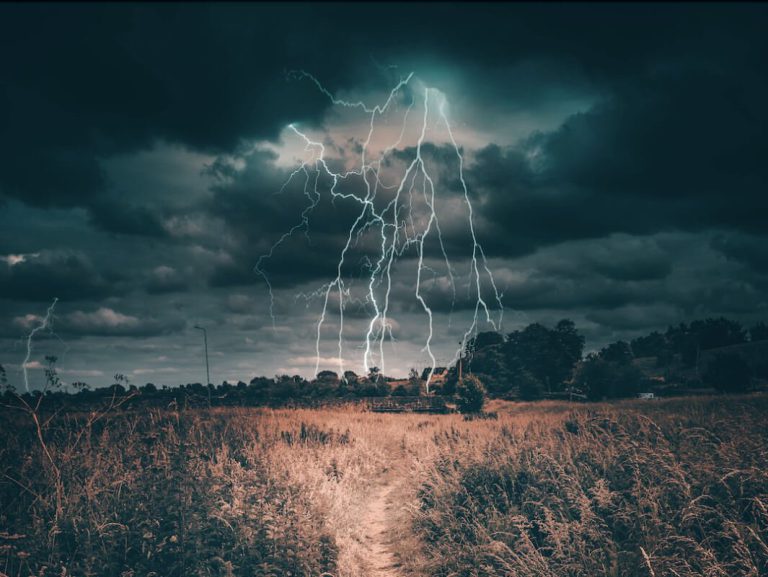
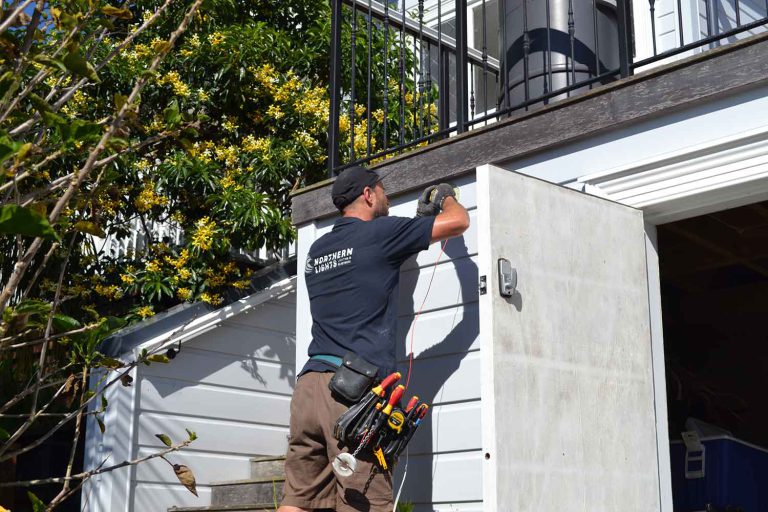
Auckland’s flood risk is real and growing. The 2023 Anniversary Weekend floods and Cyclone Gabrielle affected thousands of homes across the region — and electrical hazards were among the most serious consequences. Here’s what to do, from John Graham, Certified Master Electrician at Northern Lights Lighting and Electrical.
Why flooding and electricity are so dangerous
Water conducts electricity. When floodwater reaches electrical wiring, outlets, appliances, or your switchboard, the risk of electrocution and electrical fire increases significantly — and the danger doesn’t disappear when the water recedes. Residual moisture in wiring and fittings can cause faults for days or weeks after an event.
Before a flood — if you have warning
If flooding is forecast for your area:
- Turn off power at the switchboard before water enters the property if you can do so safely. Do not turn off the switchboard if you’re standing in water.
- Unplug appliances and move them to higher ground where possible — particularly anything on lower floors or in the garage.
- Note the location of your switchboard and ensure everyone in the household knows where it is and how to turn off the main switch.
- Move important electrical equipment — computers, routers, charging stations — to higher levels of the home.
During a flood
- Do not enter flooded areas where electrical outlets, appliances, or wiring may be submerged. Standing water in contact with live electrical circuits is a direct electrocution risk.
- Do not attempt to turn power on or off if you are standing in water or on wet flooring.
- Stay clear of downed power lines. If you see a fallen line, maintain a minimum 10-metre distance and call 111. Do not approach even if the line appears inactive.
- Do not use flooded appliances. An appliance that has been submerged should be considered unsafe until inspected by a licensed electrician.
After a flood — do not restore power yourself
This is the most important rule: do not turn your power back on after flooding without a licensed electrician inspecting the installation first.
Flood-affected wiring, switchboards, and fittings must be assessed before power is restored. Water damage to electrical systems isn’t always visible — moisture inside wall cavities, behind switchboard panels, and within fitting housings can cause faults that aren’t apparent until power is applied.
A post-flood electrical inspection will cover:
- Switchboard and main panel assessment
- Circuit-by-circuit check for water ingress
- Inspection of outlets, switches, and fittings in affected areas
- Assessment of any appliances or fixed equipment that was submerged
- Clearance to restore power, circuit by circuit where safe
Flood-prone areas in Auckland
Some Auckland suburbs carry higher flood risk than others — West Auckland (particularly around Northcote, Henderson, and Swanson), parts of Onehunga, areas of the North Shore near stream corridors, and low-lying parts of South Auckland. If your property is in a known flood-risk area, it’s worth discussing with your electrician whether any electrical components — switchboard height, outdoor fittings, subfloor wiring — could be better protected.
Common questions
Can I use a generator safely during a flood?
Never operate a generator indoors or in an enclosed garage — carbon monoxide is fatal. Outdoors only, well away from windows and doors. Connect appliances directly to the generator rather than plugging it into your home wiring.
My appliances got wet but seem to be working — are they safe?
No. An appliance that was submerged should be inspected or replaced before use. Internal corrosion and moisture can cause failures — including fires — weeks after the initial flooding.
How quickly can an electrician inspect after flooding?
Northern Lights Lighting and Electrical prioritises post-flood inspections. Call 0800 177 275 — we’ll assess urgency and get to you as quickly as possible.
Does home insurance cover flood-related electrical damage?
This depends on your policy. Most standard home insurance covers sudden flood damage, but coverage for gradual moisture damage varies. Document all damage before any repairs and contact your insurer before work begins.
Had flooding in your Auckland home?