IN THIS ARTICLE
Lighting is one of the most impactful changes you can make to a room — and one of the most commonly overthought. The choice between downlights and ceiling-mounted lights comes down to a handful of practical factors: ceiling height, room function, and how the space will be used.
Here’s how John Graham, Certified Master Electrician at Northern Lights Lighting and Electrical, thinks through it.
What are downlights?
Downlights (also called recessed lights or pot lights) are installed flush into the ceiling, with the fitting sitting inside the ceiling cavity and only the trim visible from below. They direct light downward and slightly outward.
Modern LED downlights are the standard choice for new installations in Auckland — they’re significantly more energy efficient than older halogen downlights, run cooler, and last far longer.
What are ceiling-mounted lights?
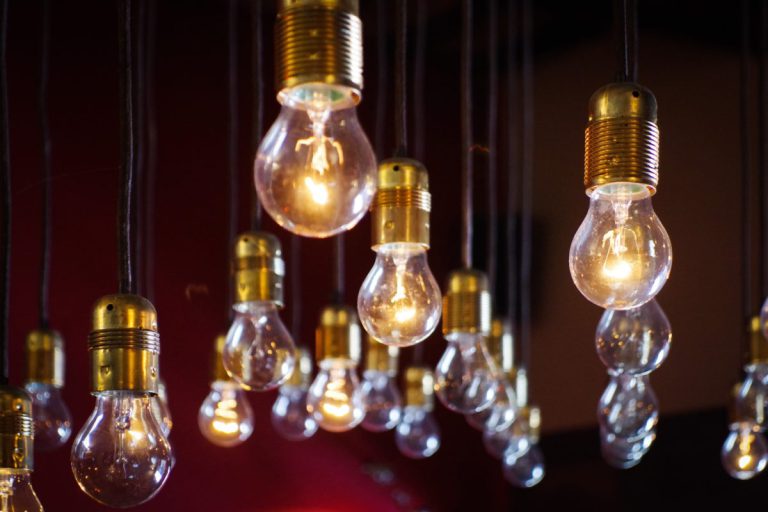
Ceiling-mounted lights sit on the surface of the ceiling rather than recessing into it. This category includes pendant lights, batten fixtures, oyster lights, and chandeliers. They’re typically a single fitting per room rather than a grid.
Which suits each room?
Kitchens and bathrooms — downlights are the dominant choice. A grid of downlights provides even task lighting without shadows, which matters when you’re cooking or getting ready. Bathrooms require IP-rated fittings for zones near water — your electrician will specify the right rating for each location.
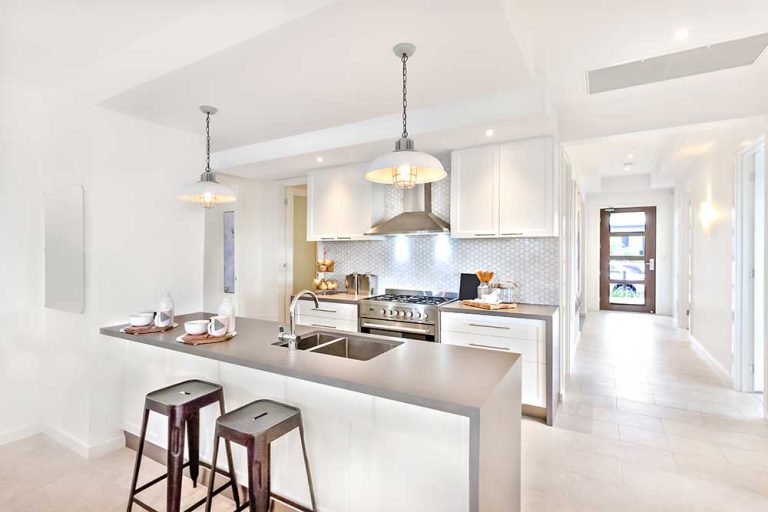
Living areas — either works well, depending on ceiling height and the feel you’re after. Downlights give a clean, modern look. A pendant or chandelier creates a focal point and works better in higher-ceiling rooms. Many Auckland living areas use both — a pendant over the dining table with downlights elsewhere.
Bedrooms — a ceiling-mounted fitting (pendant or oyster) combined with switched bedside lighting is the most practical approach. A grid of downlights directly over a bed creates glare when you’re lying down. If using downlights in a bedroom, keep them toward the perimeter rather than directly overhead.
Hallways and utility spaces — downlights or simple batten fittings. Function over form. Motion-activated options are worth considering for hallways and garages.
How many downlights do you need?
A common rule of thumb is one downlight per 1–1.5m² of floor area for general lighting. A 12m² kitchen would typically have 8–12 downlights depending on the layout and ceiling height.
Spacing matters as much as quantity — evenly spaced downlights give consistent illumination without hot spots. Your electrician should plan the grid before installation, not just drill holes on the day.
What does downlight installation cost in Auckland?
| Scenario | Typical cost range |
|---|---|
| Replace existing downlights (like-for-like) | $30 – $60 per fitting + labour |
| New downlights, accessible ceiling cavity | $80 – $150 per fitting installed |
| New circuit + downlights (no existing wiring) | $150 – $250+ per fitting installed |
A full kitchen or living area lighting upgrade typically runs $800–$2,500 depending on the number of fittings and whether new circuits are needed.
Common questions
Can I replace halogen downlights with LEDs myself?
Swapping a bulb in an existing fitting is fine. Replacing the fittings themselves involves wiring connections — that’s licensed electrical work in New Zealand.
Do LED downlights need to be IC-rated?
Yes if they’re in contact with ceiling insulation. IC-rated (insulation contact) fittings are designed to handle direct contact with insulation without overheating. Your electrician will specify the right fitting for your ceiling type.
How long do LED downlights last?
Quality LED downlights typically last 25,000–50,000 hours — that’s 15–25 years at typical usage rates.
Can I dim LED downlights?
Yes, but not all LED downlights are dimmable — you need both a dimmable fitting and a compatible dimmer switch. Confirm this before purchasing fittings.
Ready to upgrade your lighting?